When we started teaching our Integrative Microneedling Method to practitioners, we knew the device we chose would shape everything. Not just the results our practitioners could deliver, but how naturally it would fit alongside the holistic, whole-body approach we believe in.
This was not a casual decision.
This post shares why Procell was the right fit, what makes it different from conventional microneedling, and why that matters if you are an esthetician looking for a more intentional, integrative way to work with your clients’ skin.
A recent podcast conversation between Dr. Mitchell Schwartz, the founder of Procell Therapies, and esthetician Maddie Tooze (known as Acne Maddie) touched on many of the things we value most about this technology. We will reference key points from that conversation throughout this post.
What Is the Difference Between Microchanneling and Conventional Microneedling?
Microchanneling creates precise, uniform channels in the skin using a vertical tapping motion, while conventional microneedling pens can produce inconsistent depths and more tissue trauma.
If you work in the esthetics industry, you will have probably seen microneedling pens everywhere. They are popular, accessible, and widely taught. But the way they work introduces some challenges that are worth understanding.
Conventional microneedling pens horizontally glide across the skin while the needles rapidly move in and out of the pen’s tip. When the speed of the practitioner’s hand moving across the skin exceeds the internal motor speed (RPM) of the device, this can create micro-tears instead of clean punctures. That inconsistency can lead to uneven results, scratches and tearing of the skin, more inflammation than necessary, and a harder and longer recovery for your clients.
Procell works differently. Its stamping mechanism creates channels that go straight into the skin, perpendicular to the surface. Every channel is uniform and controlled. That means more predictable outcomes, less guesswork, and significantly less tissue damage and downtime.
For estheticians, this kind of precision is a gift. When the device is doing what it is supposed to do consistently, you are free to focus on the parts of treatment that require your expertise: reading the skin, choosing the right approach, and being fully present with your client.
And from a holistic standpoint? Less tissue trauma is not a small thing. When we work with the skin, we are also working with the nervous system, circulation, and the body’s own capacity to heal. A technology that supports the body’s natural repair process, rather than overwhelming it, aligns beautifully with how we think about skin care at EastWest.
Why Does Needle Depth Matter So Much for Estheticians?
Research suggests that shorter needle depths of around 0.25 millimeters can produce results equal to or better than deeper treatments, which is especially relevant for estheticians working within scope-of-practice limitations.
This might be the most empowering takeaway in this entire post.
There is a widespread belief that deeper needles equal better results. It makes intuitive sense. But the evidence actually points in the opposite direction.
In the podcast, Dr. Schwartz shared that the optimal needle length sits around 0.25 millimeters, getting past the skin’s stratum corneum. Longer needles, he explained, can cause unnecessary bleeding and pain without actually improving outcomes. Studies on hair growth stimulation using different needle lengths back this up, with results showing 0.5mm needles outperforming 1.0 and 1.5mm options. In addition, the .25mm tip has shown to be very effective for hair growth, which is helpful for more sensitive clients.
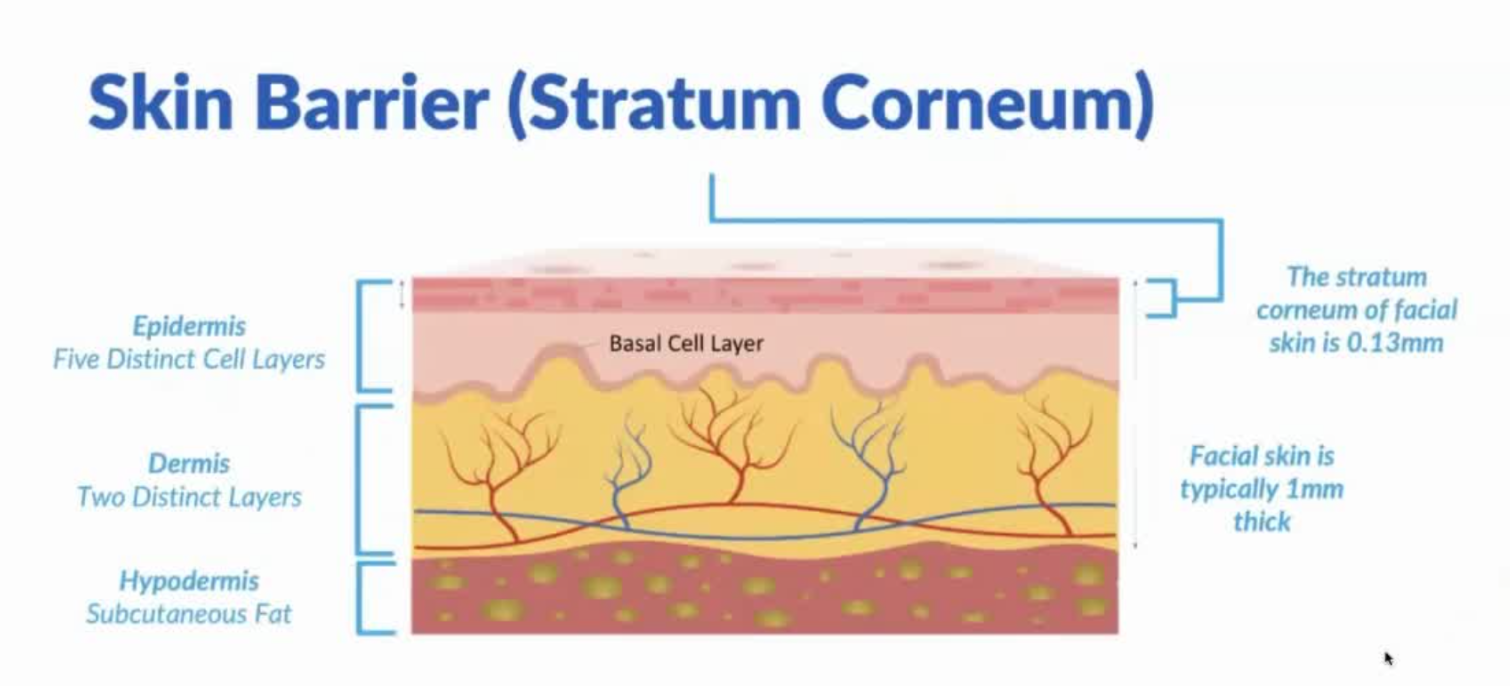
Think about what that means if you are an esthetician. Most states limit the needle depth you can legally use. That has felt like a constraint for many practitioners. But when the research shows that shorter depths actually work just as well or better, your scope of practice is not a limitation at all. It is right where you need to be.
This fits perfectly with the philosophy behind the Integrative Microneedling Method. We have never been interested in the “more is more” approach. East Asian medicine has understood for centuries that effective treatment is not about force. It is about targeted intention and working with the body’s own intelligence. Procell’s design reflects that same principle: do exactly what is needed, nothing more, and let the body do what it does best.
How Does Procell Complement a Holistic Approach to Skin Treatment?
Procell’s controlled microchanneling technology naturally supports holistic treatment principles by minimizing tissue trauma, working within the body’s healing capacity, and allowing practitioners to layer integrative modalities with confidence.
One of the things we hear most from estheticians who find EastWest is this: they love holistic skincare, but they have struggled to find a microneedling device that actually fits that philosophy. So many technologies on the market feel too aggressive or disconnected from the bigger picture of whole-body health.
Because the Procell device creates clean, controlled channels with minimal tissue trauma, it works with the body rather than against it. That matters when you are thinking about the nervous system’s response to treatment and how the skin’s healing process connects to deeper systems like circulation, organ health, and energetic balance.
In the Integrative Microneedling Method, we teach practitioners to see the skin as part of a whole system. We draw on facial mapping, meridian pathways, and East Asian medicine principles to inform not just where we treat, but how and why. Procell’s device beautifully supports that kind of thoughtful, layered approach.
Our combination of reliable technology and holistic depth is what makes this method feel cohesive rather than pieced together.
What This Means for Your Practice
When your treatments produce consistent, visible results with minimal downtime and a strong safety profile, everything else in your practice benefits. Clients trust you. They come back. They refer their friends. You can price with confidence and position yourself as a specialist, not a generalist offering one more add-on service.
Procell gives our practitioners a device that works beautifully within their scope, produces results the research supports, and aligns with the holistic principles that guide their work. That is why we chose it.
If you are an esthetician exploring what integrative microneedling could look like in your practice, our Integrative Microneedling 101 course is a great place to start. It gives you a clear look at the method, the philosophy, and whether this approach feels right for you and your clients.