
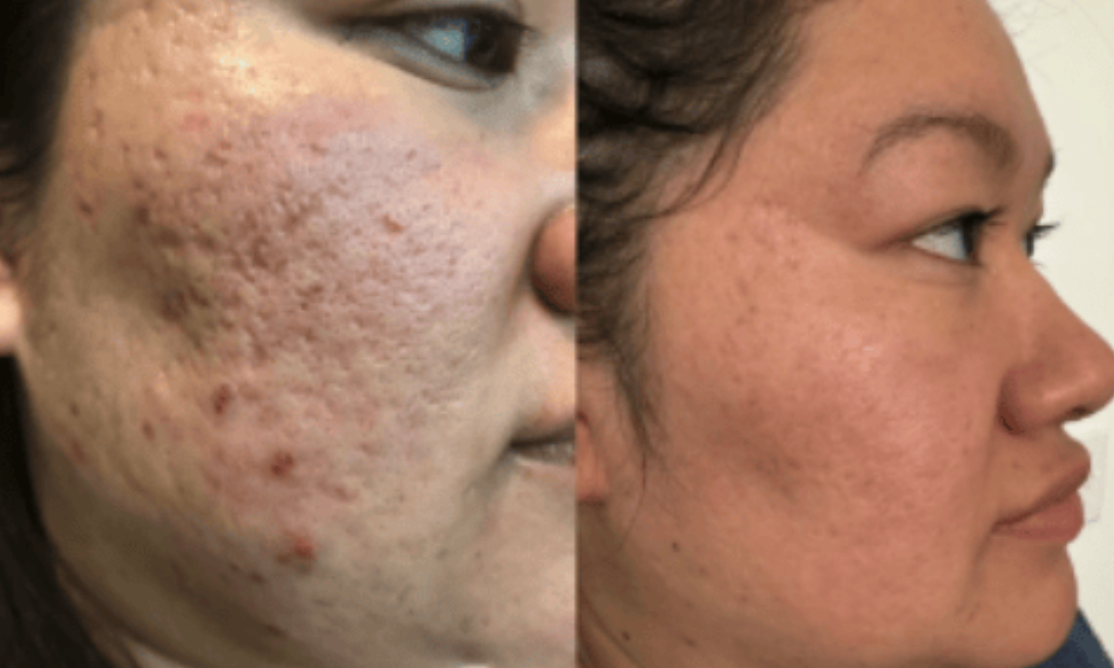
“Integrative Microneedling offers a powerful, whole-body approach to skin repair. In this blog post, Procell Therapies breaks down acne from a western scientific perspective and explains why controlling inflammation is ‘key’.”
Diana & Amelia
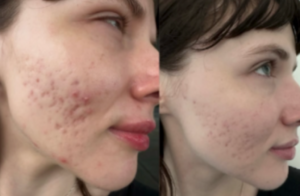
Clearing acne — and the scarring it leaves behind — is rarely straightforward. Acne isn’t just a surface-level issue; it’s often a reflection of deeper imbalances in the body, from inflammation and hormonal shifts to impaired barrier function and immune dysregulation. That’s what makes it so complex — both to experience and to treat.
Even after breakouts resolve, the skin doesn’t always bounce back on its own. Scarring, pigmentation, and uneven texture can remain long after active acne is gone, often impacting confidence just as much as the acne did. That’s why the order of treatment matters.
The first priority is calming inflammation and getting breakouts under control. Once the skin is stable, targeted treatments like microchanneling can help repair the aftermath — rebuilding collagen, restoring balance, and supporting long-term skin health.
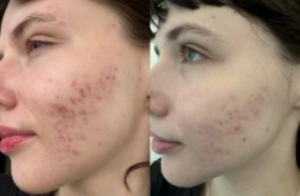
Inflammation is at the core of nearly every acne case — whether it presents as small comedones or deep, cystic lesions. It can be driven by a combination of factors: excess sebum production, buildup of dead skin cells, P. acnes bacteria, hormonal fluctuations, stress, gut imbalances, and even aggressive skincare routines that damage the skin’s protective barrier. Left unaddressed, inflammation keeps the skin in a reactive state, making it harder to heal and more prone to long-term damage.
That’s why the first step in any effective acne protocol should focus on restoring balance and calming inflammation. This means dialing in a routine that supports barrier repair, regulates oil production, and reduces bacterial overgrowth — often with ingredients like benzoyl peroxide, salicylic acid, mandelic acid, sulfur, or retinoids, depending on the skin type and severity. In some cases, dietary adjustments, stress management, and internal supplementation may be recommended to further reduce inflammatory load.
The goal during this phase isn’t just to stop new breakouts, but to create the kind of environment where the skin can finally stabilize — which is essential before moving into advanced treatments like microchanneling.
What is Microchanneling for Acne?
If you’re ready to incorporate Procell Microchanneling into your practice, contact us today to learn more!
NOTE: If you fill out the general inquiry on Procell’s main page, they will randomly assign another rep to you. Ask us about current promotions, special Eastwest Microneedling practitioner discounts and take advantage of our interest free payment plan!